EN
EN

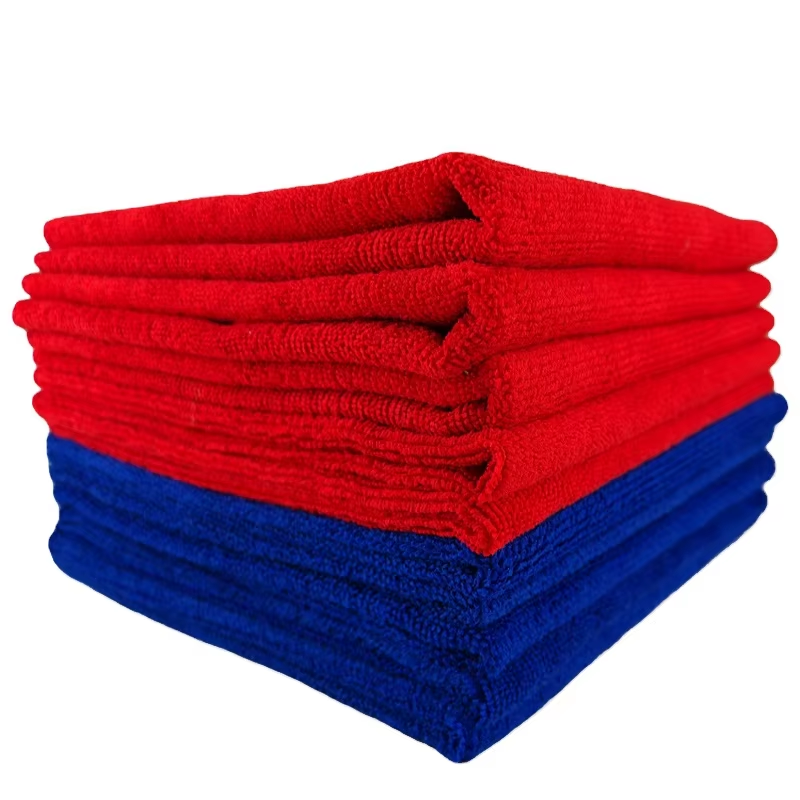
Why Proper Care Extends the Life and Performance of Your Car Washing Mitt
Taking good care of your car wash mitt makes a big difference in how long it lasts and how well it works. When people skip regular cleaning, dirt and chemicals build up in the fibers over time. This causes the mitt to fray faster and lose its ability to trap dirt effectively. The worn out mitt doesn't just wear out quicker, it can actually scratch paint when washing cars. On the flip side, giving the mitt a proper clean after every use keeps those microfibers intact so they stay absorbent and don't leave swirl marks. According to what we see in the industry, properly maintained mitts tend to last anywhere from 2 to 3 times longer than ones that get ignored. Keeping those contaminants from getting stuck and damaging the fibers means better glide and protection against scratches for many washes down the road. With proper maintenance, what starts as a throwaway item becomes something worth investing in, delivering pro level results wash after wash without breaking the bank.
Step-by-Step Cleaning Process for Your Car Washing Mitt
Pre-Rinse and Debris Removal to Prevent Fabric Damage
Rinse that car wash mitt under cold water right after finishing up. If dirt gets a chance to dry in those fibers, it becomes a real problem later on causing those annoying little scratches on freshly washed cars. Just give the mitt a gentle squeeze while rinsing to get rid of stuff like sand or road grit stuck inside. Don't go crazy wringing it out though because that actually damages the microfiber loops. When dealing with really tough gunk, let the mitt soak in clean water for about ten minutes first, then rinse again. Some research indicates that cleaning within half an hour keeps around 95% of the dirt trapping ability intact, whereas waiting till morning drops that down to only about 68%. Makes sense why regular maintenance matters so much for keeping those mitts effective over time.
Choosing the Right Detergent and Machine Settings for Microfiber Car Washing Mitts
Go for a pH neutral cleaner made for synthetics when washing these items. Stay away from bleach, those optical brighteners, and fabric softeners since they actually make the material less absorbent over time and can break down the fibers. Wash the mitts separately in cold water below 30 degrees Celsius or around 86 Fahrenheit on the gentlest setting possible to keep those fibers intact. Double rinsing helps get rid of leftover soap that tends to stiffen up the material and makes them less effective at doing their job. When dealing with really dirty mitts, throw in some distilled white vinegar during the last rinse. This helps cut through grease and minerals without needing strong chemicals. Some tests show that adding vinegar can boost water absorption by about 40 percent compared to regular detergents alone, though results may vary depending on what kind of dirt we're talking about here.
Drying Safely: Air-Dry vs. Low-Heat Tumble—What Preserves Absorbency Best?
Letting gloves air dry is still the best bet most people find works wonders. Just hang them somewhere out of direct sunlight where there's good airflow, making sure the loops point down so water doesn't pool at the bottom which can really mess with how stretchy the material stays over time. For those who must use a dryer, keep it short - around 15 minutes max on the lowest heat setting possible (around 50 degrees Celsius or 122 Fahrenheit). Throw in a couple clean tennis balls to help loosen up the fibers as they spin around. Don't reach for the dryer too often though. Studies published in Textile Research Journal back in 2023 showed that after about 20 rounds in the machine, microfiber materials lose nearly a quarter of their ability to soak up water. And remember to make sure everything is totally dry before putting away in drawers or cabinets. Wet fabric creates a breeding ground for bacteria that leads to nasty smells nobody wants dealing with later.
Optimal Storage Practices to Maintain Your Car Washing Mitt’s Effectiveness
Keeping Your Car Washing Mitt Contamination-Free Between Uses
After washing your car, make sure to store the mitt somewhere with good air circulation to stop bacteria from growing. Bacteria leads to bad smells and makes the fibers break down faster over time. The best bet is hanging it on a specific hook or laying it out in one of those mesh bags that let air through. Don't just stuff it into a bucket or leave it sitting in something damp where water can collect. Right after washing, give it a good shake to get rid of extra water and help it dry quicker. And watch out for fabric softeners and strong cleaning products. Studies have shown these things really cut down how well the material absorbs water and weakens its overall strength.
Long-Term Storage Tips: Avoiding Odor, Compression, and Fiber Degradation
When storing your car washing mitt seasonally:
- Ensure complete dryness in a low-humidity environment to prevent mold and mildew
- Place it in a breathable cotton bag—not plastic—to maintain fiber elasticity and airflow
- Avoid stacking heavy items on top to prevent compression damage that flattens and weakens microfiber loops
- Refresh periodically with air circulation every 2–3 months
Research shows compressed microfiber loses 37% of its dirt-trapping efficiency after six months of improper storage. Store mitts flat rather than folded to preserve structural integrity and maximize surface contact during use.
Frequently Asked Questions
How often should I clean my car wash mitt?
It's recommended to clean your car wash mitt after each use to prevent build-up of dirt and chemicals, which can degrade the fibers and cause paint scratches.
What type of detergent should I use?
Use a pH neutral detergent formulated for synthetic fabrics. Avoid bleach, optical brighteners, and fabric softeners as they reduce absorbency and damage fibers.
Can I use a dryer to dry my car wash mitt?
While air-drying is best, you can use a dryer on the lowest heat setting for short periods to avoid weakening the microfiber material.