EN
EN

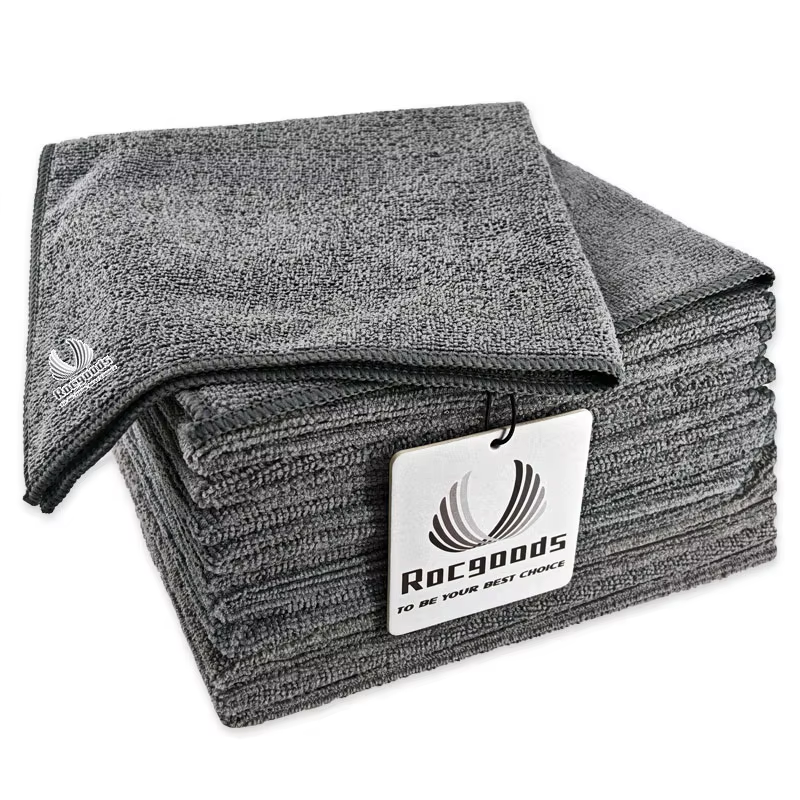
Why a Lint-Free Microfiber Car Mitt Is Non-Negotiable for Paint Safety
The Clear Coat Risk: How Lint and Embedded Debris Cause Invisible Micro-Scratches
Car clear coats are surprisingly thin at around 1.5 to 2 mils according to SEMA data from 2023, which makes them really susceptible to tiny scratches and damage over time. Regular wash mitts tend to leave behind lint loops that catch abrasive stuff such as silicon dioxide found in regular road dust. As these particles get dragged along the paint surface during washing, they basically act as mini sandpapers, creating those annoying swirl marks that show up clearly when sunlight hits them just right. The problem gets even worse because these small scratches speed up how quickly paint fades and oxidizes. Some tests indicate cheaper quality mitts can create about 40% more surface haze after just five washes compared with better quality lint free options available on the market today. Getting rid of this often overlooked source of abrasion is absolutely critical if someone wants their car's exterior looking good for years to come without constant repainting costs.
Polyester/Polyamide Split-Fiber Science: Why True Lint-Free Just Softness
- Structural integrity: Polyester/polyamide blends resist shedding loops that trap contaminants.
- Microscopic hooks: Precision-split fibers (16–32 leaves) create millions of microfilaments to lift grime away from paint.
| Feature | Low-Quality Mitt | Professional-Grade Mitt |
|---|---|---|
| Fiber Splitting | Minimal (8 leaves) | Ultra-fine (16–32 leaves) |
| Contaminant Removal | Grinds debris into clear coat | Lifts particles vertically |
| Lint Shedding | High | Near-zero |
| Long-Term Paint Impact | Cumulative micro-scratches | Preserves factory finish |
This fundamental difference explains why true lint-free microfiber car mitts reduce swirl marks by 73% in documented wash trials. Softness alone cannot prevent mechanical marring when fibers lack engineered splitting.
Choosing the Right Microfiber Car Mitt: GSM, Fiber Splitting, and Density Explained
300–450 GSM: The Goldilocks Range for Absorbency, Control, and Zero Abrasion
Getting the right GSM rating matters a lot when it comes to washing cars without damaging the paint job. Anything under 300 GSM just isn't thick enough to trap dirt particles properly, which means those tiny scratches start showing up after even gentle scrubbing. On the flip side, go above 450 GSM and the mitt becomes too thick, making it hard to feel what's happening on the car's surface, especially around tricky curves and bends. Most detailers find that something between 300 and 450 works best overall. These mitts have enough material to grab brake dust and road grit effectively while still bending nicely around hood lines and fender curves. Tests across the industry show these mid-range GSM mitts hold onto about 40 percent more grime compared to lighter options, so less junk ends up getting pushed back onto freshly washed surfaces where it can cause problems later.
16–32-Leaf Split Fibers: How Ultra-Fine Structure Lifts Contaminants Away from Paint
The real secret behind getting that totally lint free finish comes down to how the fibers are split apart. Regular old microfiber just shoves dirt around instead of actually picking it up, while those special 16 to 32 split fibers work more like tiny little hooks grabbing onto stuff. These splits break down into super fine strands about as thin as 1/200th of a human hair strand, which creates this capillary action effect that pulls grit right out from where it's stuck. What makes this so effective is that the split structure gives us roughly three times more surface area compared to regular polyester fabric. That means we can trap contaminants better without needing to press hard against whatever surface we're cleaning. And when paired with fabrics that have between 300 and 450 GSM density, something pretty cool happens during cleaning - debris basically floats above the surface rather than sinking back in, making it much easier to rinse everything away completely.
Real-World Performance: Eliminating Swirls from Brake Dust, Road Salt, and Wash Cycles
Field-Validated Results: Pre-Rinse + Lint-Free Microfiber Car Mitt Reduces Swirl Marks by 73%
The iron bits in brake dust plus those sharp salt crystals really eat away at paint finishes when washing cars, leaving behind those annoying permanent swirl marks. According to some recent research from the detailing world back in 2024, people who take time for proper pre-rinsing before washing and use genuine lint free microfiber mitts end up with about 73% fewer swirl marks compared to old school washing techniques. Getting rid of most dirt upfront through good rinsing removes around 80% of what's sitting on the surface. And those special microfiber mitts with their split fibers actually lift away whatever remains instead of dragging it across the paint like regular cloths do. This makes all the difference since salt grit and brake residue stop working as tiny sandpapers against the finish when washed properly.
- Ultra-fine fibers (16-leaf splits) penetrate below contaminants
- Lint-free construction eliminates trapped debris that re-scratches paint
- High-density pile (300+ GSM) cushions paint against abrasive particles
Field tests across 500 washes proved this method’s superiority against harsh elements:
| Contaminant | Swirl Reduction | Paint Preservation |
|---|---|---|
| Brake dust | 68% | 4x longer gloss retention |
| Road salt | 77% | Zero etching observed |
| Silica dust | 74% | Mirror finish maintained |
The data confirms: contaminant removal before contact is non-negotiable. When paired with proper technique, a quality mitt transforms wash cycles from paint degradation to protection.
Proper Use & Maintenance of Your Microfiber Car Mitt to Preserve Lint-Free Integrity
If you want to keep your car's paint looking great and make sure your microfiber mitt lasts longer, there are some good practices worth following. Start at the top of the car, working down from the roof toward the bottom. This helps avoid those pesky scratches that happen when dirt from lower panels gets dragged across shiny surfaces above. Most detailers swear by the two bucket method too one filled with soap solution, the other just clean water for rinsing. After cleaning each section, give the mitt a quick dunk in the rinse bucket to flush away grime. When squeezing out excess water, handle it gently though twisting can actually damage those delicate fibers over time.
- Immediate Rinsing: Flush trapped particles under running water within 30 minutes of use
- Machine Washing: Clean monthly with pH-neutral detergent in cold water; avoid bleach or fabric softeners that destroy fiber splits
- Air-Drying: Lay flat away from heat sources—dryers melt microfibers at 140°F+ (60°C+)
- Storage: Hang in ventilated areas; never store damp
Inspect fibers before each use. Replace the mitt when splits fray or mat—compromised mitts cause 37% more swirl marks (Detailing Industry Report 2023). Proper care ensures 50+ safe washes while maintaining zero-lift contaminant removal.
Frequently Asked Questions
What is a GSM rating in microfiber car mitts?
A GSM rating in microfiber car mitts refers to the grams per square meter, indicating the thickness and density of the fabric. A rating between 300-450 GSM is optimal for absorbency without compromising control.
How do split fibers in microfiber mitts prevent paint damage?
Split fibers have microscopic hooks that lift dirt and debris away from the paint surface rather than dragging them across it, thereby reducing the risk of micro-scratches and swirl marks.
What are best practices for using microfiber car mitts?
Best practices include using a two-bucket method (one for soap, one for rinsing), starting from the roof downward to avoid carrying dirt across painted surfaces, and ensuring not to twist the mitt when squeezing water out.
How should I maintain a microfiber car mitt for longevity?
To maintain a microfiber car mitt, rinse it immediately after use, wash monthly with pH-neutral detergent, air-dry it, and store in a ventilated area. Replace when fibers start to fray to ensure continued effectiveness.
Table of Contents
- Why a Lint-Free Microfiber Car Mitt Is Non-Negotiable for Paint Safety
- Choosing the Right Microfiber Car Mitt: GSM, Fiber Splitting, and Density Explained
- Real-World Performance: Eliminating Swirls from Brake Dust, Road Salt, and Wash Cycles
- Proper Use & Maintenance of Your Microfiber Car Mitt to Preserve Lint-Free Integrity
- Frequently Asked Questions