EN
EN
How Fish Scale Towel Material and Weave Enable Rapid Drying
Microfiber composition and hydrophilic fiber engineering for accelerated moisture wicking
Split fiber tech is what makes high performance microfibers so good at soaking up water. The fibers themselves are designed to pull in moisture like a sponge, trapping it through something called capillary action. Some of the newer models can actually absorb around seven times their own weight in liquid! These super fine fibers measure about 0.13 denier which means they have lots of surface area for water to spread out over quickly. Think of it as a kind of moisture expressway running through the fabric. Water moves from wet areas to dry ones in less than three seconds flat. And because these fibers lower surface tension, towels keep working even when someone isn't squeezing them manually. Just leave them alone and watch the magic happen.
The fish scale pattern: Structural advantages for capillary action and air circulation
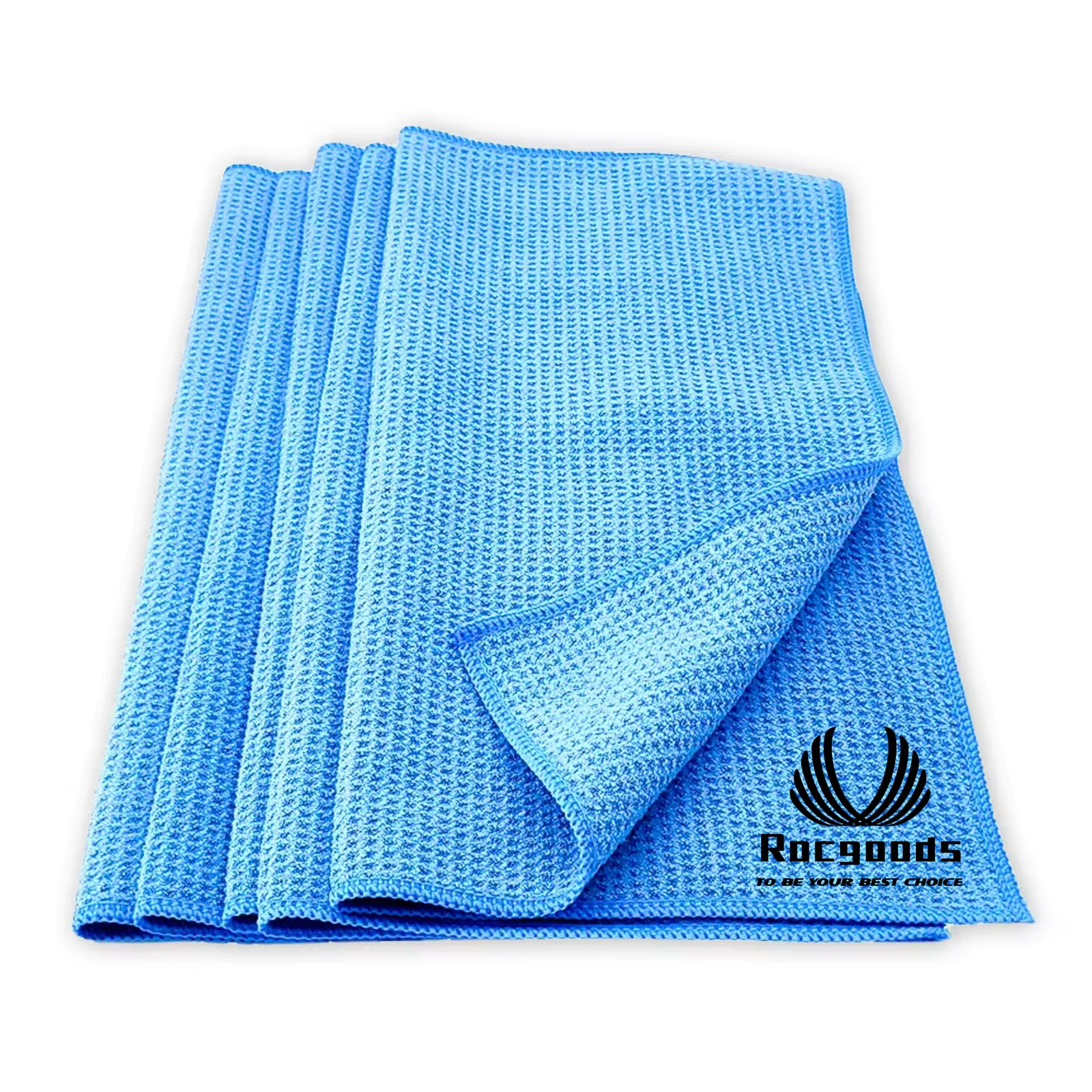
The overlapping fish scale design forms directional pathways that outperform traditional weaves. Each raised scale functions as a micro-scoop, guiding water inward via gravity while creating air tunnels between layers. This dual mechanism enhances:
- Vertical wicking: Capillary pressure differences pull moisture downward through the fabric
- Horizontal evaporation: Concave spaces between scales expose 40% more surface area to airflow
Thermal imaging shows this structure reduces drying time by 63% in humid conditions compared to flat-pile towels. The open architecture prevents moisture retention and allows convective airflow to reach the core, transforming passive evaporation into active moisture expulsion.
Why Fish Scale Towels Deliver Scratch-Free, High-Absorbency Drying
Fish scale towels bring together specially made microfibers and a surface design that protects what it touches. The super fine polyester and polyamide blend used here is about 0.13 denier thick actually thinner than regular silk which makes these towels incredibly gentle on surfaces. Traditional terry cloths tend to catch bits of dirt and grime, but fish scale towels work differently. Their unique pattern has little channels built into them that grab onto contaminants and hold them away from whatever surface needs drying. This means no more those annoying tiny scratches that show up as swirl marks when cars are parked in direct sunlight for example. Mechanics and detailers love this feature because it keeps their work looking flawless even after multiple uses.
Textured scale structures really boost absorbency because they create three times more surface area than regular flat weaves do. Some premium quality towels can soak up around seven times their own weight in water, which is actually over twice what cotton manages. The increased water retention means users need to dry off fewer times overall, cutting down on skin irritation from repeated rubbing. When paired with an open grid pattern that lets air circulate better, these towels actually let go of moisture about 30 percent quicker when squeezed compared to ordinary microfiber options on the market today. Manufacturers have been tweaking this technology for years now, trying to strike that sweet spot between effectiveness and comfort.
For delicate surfaces like clear coats and glass, these towels apply gentle pressure below 2 PSI, preserving ceramic coatings. Split-fiber technology wicks water without chemical additives, avoiding residue. This dual protection ensures a swirl-free finish and prevents water spots that impair visibility.
Optimizing Car Drying Technique with a Fish Scale Towel
Two-step drying method: Blotting vs. gliding to leverage quick-dry texture
Getting the most out of drying involves working in two main steps. Start with blotting technique where possible. Press down firmly on those flat surfaces like car hoods and doors to soak up any standing water. The towels work really well at this stage because their material pulls water away quickly, taking about 60 to 70 percent off right away according to Surface Care Journal from last year. For those tricky curved parts around mirrors and trim, switch over to gliding motions instead. What makes this work so well is the special fish scale pattern on good quality towels. These tiny channels help move water along when we glide smoothly across surfaces. Don't go too heavy handed though. Pushing too hard actually squishes the towel fibers together and can reduce how much water gets absorbed by almost half. Keep rotating the towel regularly between different spots on the car. This helps maintain effectiveness throughout the whole cleaning process without missing any wet areas.
Preventing water spots and streaks through controlled pressure and coverage sequencing
Want to avoid those pesky mineral deposits? Try following a smart drying pattern instead of random swipes. Begin at the highest point, like the roof line, then move down systematically with straight lines that overlap about a third so dirty water doesn't drip back onto freshly dried spots. When it comes to pressure, push harder on flat surfaces around 1 to 2 pounds of force works well there, but go easy on vertical sections where water might sneak into gaps between panels. Fish scale towels really shine here because their unique weave dries things off about half as fast as regular microfiber according to some tests last year. Finish off each small area measuring roughly two feet by two feet before proceeding further. Always end with what detailers call a "dry pass" using a clean part of the towel to catch any remaining moisture. People who stick with this method report seeing way fewer water spots than folks who just wipe in circles all over the place.
Selecting the Right Fish Scale Towel: Size, GSM, and Vehicle Fit
When picking out a fish scale towel, there are really three main things to consider: size, GSM rating, and how well it fits around car contours. Most people find that smaller cars work best with something around 16 by 24 inches since it covers enough area without being too big to handle. For bigger rides like trucks and SUVs, going up to about 20 by 40 inches makes sense because it cuts down on having to go over the same spot multiple times. The GSM number tells us about material thickness. Anything between 500 and 700 tends to work great for keeping water locked in while still letting the tiny scales do their job properly. Towels rated under 400 GSM get soaked way too fast, whereas ones over 800 GSM start feeling stiff and just don't glide well across intricate parts of the vehicle. Look for towels with edges that follow the shape of the car better, especially those with corners that taper off nicely. These help reach into tricky spots around side mirrors, front grilles, and rear spoilers where water always seems to hide. Getting this right means each wipe actually works as intended, making the whole drying process much smoother.
Extending Quick-Dry Performance: Care, Cleaning, and Longevity Tips
Washing and drying protocols that preserve microfiber integrity and fish scale texture
To keep those fish scale towels performing at their best, give them a good wash in warm water around 40 degrees Celsius or 104 Fahrenheit using a gentle detergent without any bleach. Fabric softeners are actually bad news for these towels because they tend to coat the fibers and cut down on how much moisture they can soak up maybe as much as 30 percent. Letting them air dry works wonders for keeping that special texture intact. If absolutely necessary to use a dryer, go for the lowest heat setting possible below about 65 degrees Celsius or 150 Fahrenheit to avoid damaging the fibers. Don't wash them too often either. Wait until they've been used three to five times before cleaning again since frequent washing just wears them out faster. Always store the towels when completely dry somewhere with good airflow to stop bacteria from growing. Stick with this routine and most people find their towels last two to three extra years compared to regular ones, all while still pulling water away from skin effectively and staying comfortable against the body.
FAQs
What makes fish scale towels different from regular towels?
Fish scale towels are made with specially engineered fibers and a unique scale pattern to enhance moisture wicking and drying capabilities that outperform traditional towel designs.
How should fish scale towels be washed?
They should be washed in warm water using gentle detergent without bleach, air-dried, and should avoid fabric softeners and harsh drying conditions to preserve their texture.
Table of Contents
- How Fish Scale Towel Material and Weave Enable Rapid Drying
- Why Fish Scale Towels Deliver Scratch-Free, High-Absorbency Drying
- Optimizing Car Drying Technique with a Fish Scale Towel
- Selecting the Right Fish Scale Towel: Size, GSM, and Vehicle Fit
- Extending Quick-Dry Performance: Care, Cleaning, and Longevity Tips
- FAQs