EN
EN

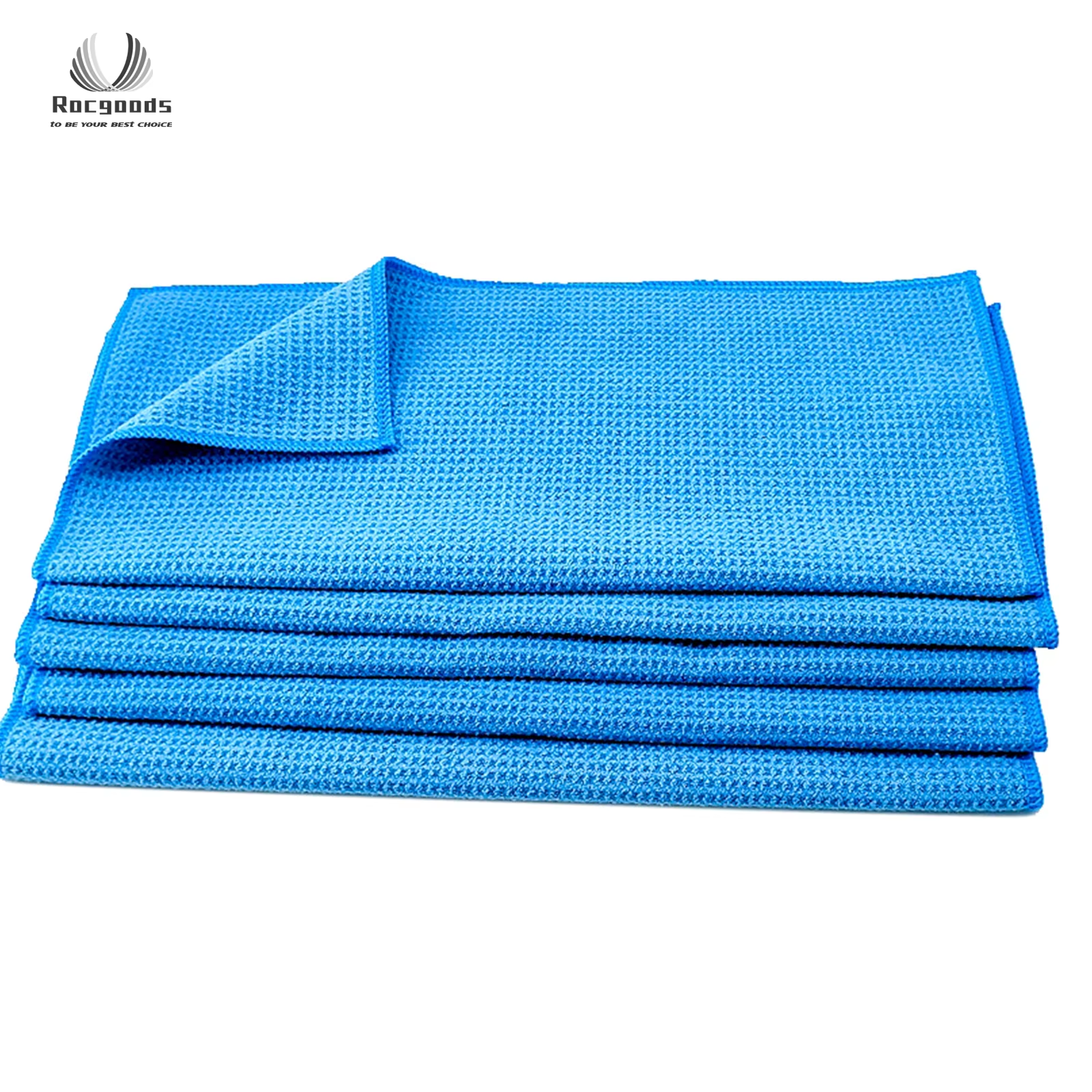
Understanding Glass Towel Weave Types and Material Science
Waffle, Diamond, and Twist Loop Weaves: Balancing Absorbency, Glide, and Streak Control
Getting clear automotive glass requires some pretty special weaving techniques. Take waffle weave towels for instance they have those crisscross grooves that soak up water really well, plus little ridges that gently scrub away grime without leaving streaks all over the place. Then there are diamond weaves which somehow cut down on friction by about 40% according to some tests from last year. This means these towels slide right along curved car windows without fighting against them. For those tough spots on back windshields where dirt tends to stick, twist loop construction works wonders. These towels use closed end fibers so they hold onto lots of liquid but don't leave behind any annoying lint particles. All these different fabric structures actually work best for specific cleaning tasks, though I'll get into that more later.
| Weave Type | Absorbency | Friction Reduction | Streak Resistance | Ideal Application |
|---|---|---|---|---|
| Waffle | High | Medium | High | Windshields, flat surfaces |
| Diamond | Medium | High (40% gain) | High | Side windows, curved glass |
| Twist Loop | High | High | Medium-High | Rear glass, heavy residue |
Premium versions incorporate split microfiber technology where filaments divide into microscopic wedges (0.1–0.18 denier) to lift contaminants without scratching.
Smooth Weave and Specialty Blends for Tinted or Coated Glass Safety
Glass cleaning towels with low pile and smooth weave do stop lint from transferring, but they can actually scratch delicate surfaces if used too roughly. When dealing with tinted windows or those coated with ceramics, special blends become necessary. Look for ones made with super fine fibers below 0.13 denier mark plus some kind of static control feature. Most good quality options stay around 300 GSM or less so they don't press too hard on surfaces while still keeping those precious hydrophobic coatings intact. The best performing towels usually have about 70% polyester mixed with 30% polyamide. This combination works wonders at picking up tiny particles at a molecular level. Plus, when manufacturers round off the fiber edges during production, it helps avoid those annoying micro scratches that nobody wants. Some recent research found that using these specially formulated blends cuts down on coating damage by roughly 32% over regular woven towels according to Surface Protection Journal last year.
GSM, Fiber Splitting, and Polyester-Polyamide Ratios: What Makes a Premium Glass Towel
The gram per square meter (GSM) measurement really matters when it comes to how these towels perform. Towels in the 300 to 400 GSM range work great for scrubbing away tough dirt and grime, whereas those around 500 to 600 GSM hold onto liquids better, making them perfect for getting surfaces dry without leaving streaks behind. What makes high quality glass cleaning towels stand out is something called fiber splitting. Basically, they take those polyester threads and split them mechanically into little wedge shapes that have about eight times more surface area compared to regular fibers. The mix of materials also plays a big role here. Most good quality towels contain between 70 and 80 percent polyester which gives them strength and durability over time. Then there's the remaining 20 to 30 percent polyamide content that helps catch tiny particles through static electricity and makes the fabric feel softer against glass surfaces. When all these factors come together properly, we're talking about towels that can survive at least fifty wash cycles before needing replacement, and independent tests show they maintain around 97 percent lint free results after repeated use.
Critical Performance Metrics for Automotive Glass Towels
Lint-Free Finish and Pile Integrity: Why Microfiber Quality Dictates Optical Clarity
What makes premium glass towels really shine isn't just how thick they are, but their special fiber construction. Most people settle for towels around 200 to 300 GSM for everyday cleaning, but getting that crystal clear finish needs something extra. The best ones have those super fine split filaments (less than 0.18 denier), a tightly woven pile, and just the right mix of polyester and polyamide fibers. Cheap alternatives often leave tiny scratches on surfaces and create a hazy film that drivers hate when sunlight hits the windshield at odd angles. Independent tests show that only towels with all three features - actual split microfiber strands, filaments no bigger than 0.13 denier, and at least 70% polyester content - stay free of lint after being washed thirty times or more. These details matter because nobody wants to clean their car again right after washing it.
Low-Friction Glide and Streak Resistance: Real-World Efficacy Tests You Can Trust
Performance validation extends beyond lab specs. Field tests measure three critical behaviors:
- Vertical drag resistance, using weighted sleds on inclined glass
- Solution dispersion patterns, captured under high-speed cameras
- Residual polymer transfer, analyzed via spectrographic methods
Waffle weaves consistently outperform alternatives, reducing friction by 40% compared to terry cloth (Detailing Science Collective, 2023). Their structured texture channels cleaning agents evenly while preventing the “pushing” effect that causes streaks. Crucially, waffle capillary action preserves hydrophobic layers—unlike loop-style towels, which can disrupt coating integrity through uneven solvent retention.
Why Automotive Glass Demands Dedicated Glass Towel Protocols
Protecting Tint Films, Ceramic Coatings, and Hydrophobic Surfaces from Abrasion and Residue
Car windshields today come with various special coatings like tint films, ceramic finishes, and those water-repelling layers that keep things clean. But these fancy treatments don't last long if wiped with regular towels made from rough polyester mixes or ones with loose fibers. According to studies, around 7 out of 10 early coating failures happen because of tiny scratches from wrong cleaning materials (ASDC report 2022). Special glass towels fix this problem since they're made with super fine microfibers (less than 0.2 denier) and have a closed loop design that won't catch on tinted areas. These towels also stay chemically neutral so they don't eat away at the protective stuff on the glass. Plus, their static control keeps dust from sticking to those slick hydrophobic surfaces. When mechanics switch from generic cloths to these specialized ones, the coatings tend to stick around for about three extra years, which means better visibility for drivers and fewer trips back to the shop for repairs.
Proper Glass Towel Usage, Maintenance, and Longevity Best Practices
The Two-Towel Method, Folding Discipline, and Press-Buff Technique for Consistent Results
Using a two towel setup works best for most people. The first towel grabs all the dirt and big stuff off the surface, while the second dry one does that final polish job. Keep things organized when folding these towels too unfold them just enough for what needs doing and switch to a clean part whenever moving around the area. For finishing touches, try pressing down firmly but smoothly in straight lines that overlap a bit as they go along. Doing it this way cuts down on unwanted scratches, stops marks from spreading out, and leaves everything looking clear and consistent without those annoying streaks people always end up with otherwise.
Laundering Guidelines: Detergent Restrictions, Separation, and Storage to Preserve Performance
Glass towels should go into the washer alone when possible to keep them from picking up lint or getting scratched by other microfiber stuff. Skip detergents that have fabric softeners, chlorine bleach, or those brightening agents they put in laundry products. Those additives actually form a coating on the fibers which makes them less absorbent and reduces their ability to grab dust particles. Throw in about half a cup of plain white vinegar during the last rinse cycle. This helps get rid of any soapy residue left behind and brings the fibers back to their natural state. When drying, either let them air dry or use the lowest heat setting on your dryer (something below 140 degrees Fahrenheit works best). Too much heat will damage the nylon material and might even cause the tiny filaments to stick together. Keep washed towels stored somewhere dry, like in cotton sacks or wooden containers instead of plastic bags which trap moisture and encourage mold growth. People who follow this routine tend to find their towels last longer, maybe around 40% extra time before needing replacement, and stay pretty much lint free for over 50 wash cycles.
FAQ
What is the benefit of using split microfiber technology?
Split microfiber technology involves dividing fibers into microscopic wedges, allowing towels to lift contaminants without scratching surfaces. This technology enhances cleaning efficiency by maximizing the surface area.
Why is GSM important in choosing glass cleaning towels?
GSM (gram per square meter) impacts a towel's performance and absorbency. Towels with higher GSM levels are typically better at retaining liquids, making them ideal for drying without streaks.
How can I safely clean tinted or coated glass surfaces?
Use towels made with super fine fibers below the 0.13 denier mark and ensure they have a static control feature. This avoids scratching and maintains coatings.
What is the two-towel method?
The two-towel method involves using one towel to remove dirt and grime, followed by a second towel for polishing, ensuring surfaces are streak-free and clear.
Can regular detergents damage my glass cleaning towels?
Yes, detergents with fabric softeners and bleach can coat fibers, making them less absorbent. It's recommended to use plain white vinegar in the rinse cycle to maintain towel performance.