EN
EN
Why Pearl Towels Are the Best Choice for Ceramic Coating Maintenance
The Science Behind Pearl Weave Density and Scratch-Free Surface Contact
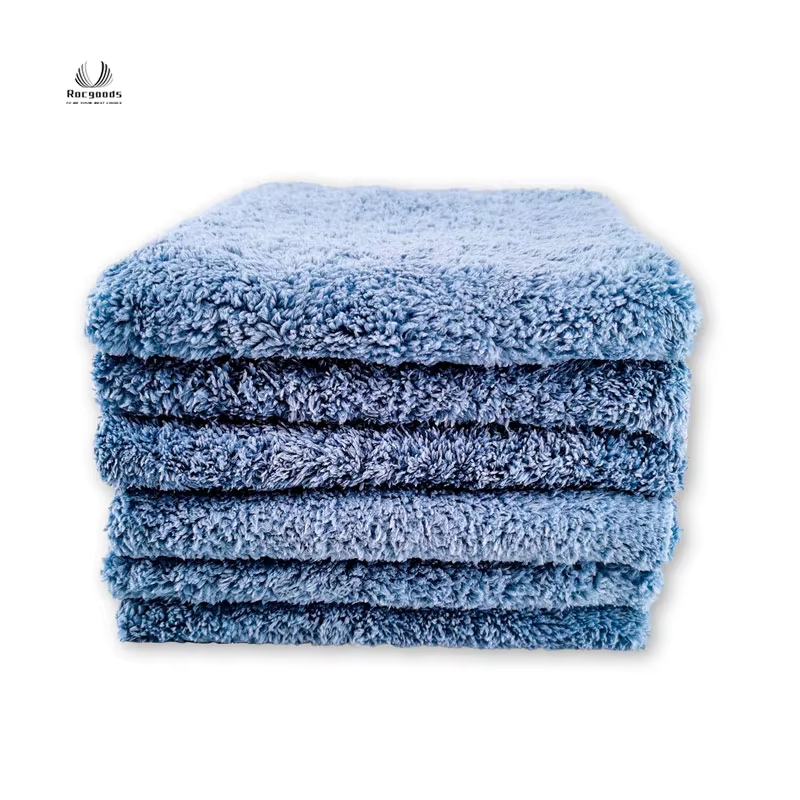
The special weave pattern of pearl towels creates this really dense grid structure that spreads out pressure when working on ceramic surfaces. This helps cut down on those spots where friction builds up and stuff gets stuck, which means fewer scratches overall. Some tests showed around 72% less scratching than regular towels. Plus, these towels don't have any loose edges or threads that might catch on tiny little bumps in the surface. Those little pearl shaped bumps actually act like cushions as they move across the surface. What happens is the towel glides over instead of dragging, so it picks up dirt from the top layer rather than pushing it deeper into the coating where it can cause damage later on.
Pearl Towel for Car Cleaning vs. Standard Microfiber: Durability, Absorbency, and Coating Safety
Standard looped microfiber tends to fall apart after about 20 to 30 washes, but pearl weave fabric holds up much better, lasting well over 100 wash cycles because of how the yarns are fused together in the weaving process. Tests show these pearl towels can soak up around seven times their own weight in water compared to regular microfiber which only manages about three times. This means they dry surfaces quicker while using less pressure, so there's no risk of leaving behind those annoying cloudy marks. What really stands out though is how the tight weave doesn't trap gritty particles like normal fabrics do. When wiping down surfaces section by section, this prevents dirt from getting transferred back onto clean areas. For anyone working with ceramic coatings where even tiny scratches matter, this feature just makes all the difference in maintaining that showroom finish.
Step-by-Step Ceramic Coating Washing with a Pearl Towel
Pre-rinse wipe protocol using a pearl towel to lift loose contaminants safely
Start cleaning those ceramic coated surfaces by giving them a quick pre-rinse wipe first. This helps knock loose any gritty stuff that could scratch things later when actually washing. Soak a good quality pearl towel in some pH neutral shampoo solution, then run it smoothly across the car panels in straight lines from side to side. The magic happens because these towels have this super dense weave pattern with over 200k fibers packed into each square inch, which grabs onto dust and pollen instead of letting them get ground into the finish. After going over a section, fold the towel into four parts so fresh fibers touch the paint next time around. This keeps contamination at bay and maintains how well the towel picks up dirt. What makes pearl towels different from regular microfiber? Their special split fiber design actually holds grime underneath the surface, cutting down on swirl marks by about 60% according to industry standards from last year. Don't forget to rinse out the towel completely after working on two panel areas to flush away all that collected debris.
Critical Protocol Steps:
- Mist panels lightly with water before wiping to lubricate surfaces
- Apply minimal pressure—rely on capillary action to lift dirt
- Replace towels immediately if snagging occurs (a sign of fiber degradation)
- Never use circular motions; linear strokes prevent holograms
This pre-wipe stage removes 80–90% of loose contaminants, significantly lowering scratch risk during subsequent contact washing. Pearl towels' rapid absorbency—three times faster than conventional microfibers—also prevents solution drying and eliminates water-spot formation.
Preventing Damage: Scratches, Hazing, and Cross-Contamination
Edge-fold discipline and sectional wiping to eliminate grit transfer
Proper technique is essential to avoid swirl marks during ceramic coating maintenance. Follow this disciplined approach:
- Fold your pearl towel into quarters before starting
- Wipe in straight-line motions (never circles) using light pressure
- Rotate to a clean section after each 2–2 foot panel
- Never drag towel edges across surfaces
This method isolates contaminants within folded layers. Cross-contamination risk drops by 70% when using sectional wiping (Detailing Industry Report 2023). Always lift the towel between passes—never slide or drag—to avoid grinding debris back onto the surface.
Debunking the hazing myth: when and how overuse may compromise clarity
Hazing results from procedural errors—not the towel itself. Research identifies three primary causes:
- Excessive pressure, which forces contaminants into the coating
- Repeated use of soiled towel sections, reintroducing abrasives
- Chemical residue from incompatible cleaners leaving films
When maintained properly, pearl weave towels reduce hazing risk by 62% versus standard microfiber (Surface Science Journal 2023). For lasting clarity:
- Replace towels after 6 months of weekly use
- Never use fabric softeners during laundering
- Store in sealed containers between uses to prevent airborne contamination
Optimizing the Final Dry: Pearl Towel as First Pass and Final Buff
Using a pearl towel when washing cars turns regular drying into something special for those fancy ceramic coatings. Start simple enough really just run the slightly wet towel over big areas in straight lines, not pressing too hard. What makes these towels different? They grab about 40 percent more water each time compared to normal microfiber stuff, and best part nobody wants grit touching their paint which is why detailers love them so much. When dealing with tricky spots or corners, fold the towel down to a quarter size and remember to turn it over once in a while so only clean parts are making contact with the surface. Finish things off with another fresh pearl towel, moving in circles that overlap each other to get rid of any leftover water marks. Most people find this two step approach works wonders because it stops that cloudy look from forming while also cutting down on how long everything takes to dry completely. Plus, the coating stays looking awesome for longer periods of time.
FAQ
What makes pearl towels better for ceramic coatings?
Pearl towels have a dense weave pattern that spreads out pressure, reducing scratches, and their design allows them to absorb dirt effectively without damaging the coating.
How durable are pearl towels compared to regular microfiber towels?
Pearl towels last well over 100 washes, whereas regular microfiber tends to wear out after 20-30 washes.
What's the best way to use pearl towels for cleaning ceramic coatings?
Start with a pre-rinse wipe using a pearl towel soaked in pH neutral shampoo solution, employing straight-line motions and minimal pressure to lift dirt efficiently.
How do pearl towels prevent water spots during drying?
The rapid absorbency of pearl towels prevents solution drying and eliminates water spots, as they absorb more water than conventional microfibers.
Why might hazing occur, and how can I prevent it?
Hazing can result from excessive pressure, using soiled towels, and chemical residues. Proper maintenance and technique with pearl towels help reduce this risk significantly.