EN
EN
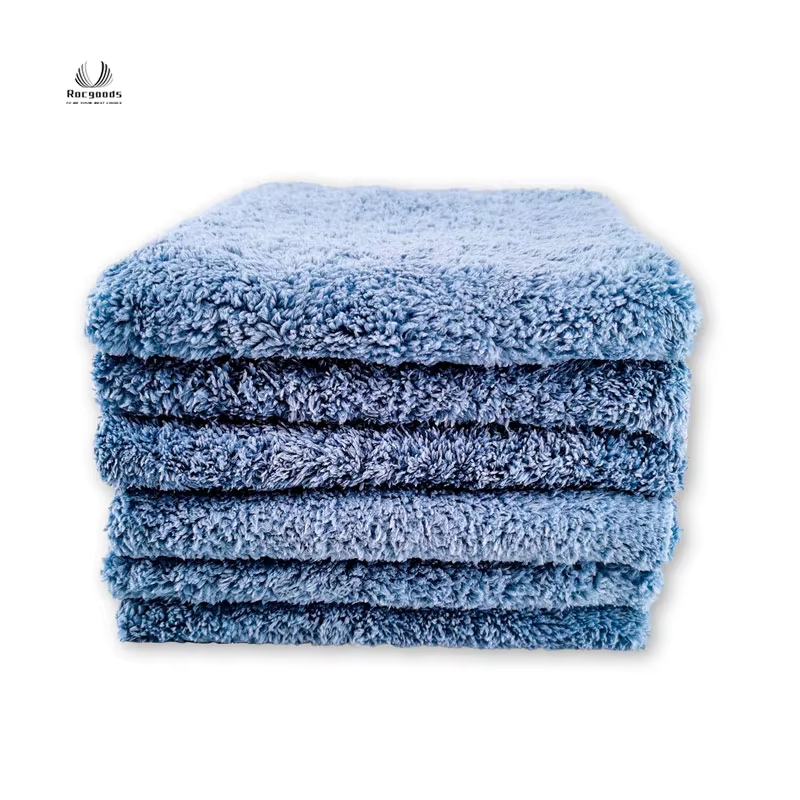
Why Warp Knitting Towels Are the Gold Standard in Professional Car Cleaning
Commercial car washes now prioritize scratch prevention, with 73% of operators citing surface safety as their top purchasing factor (Automotive Care Association 2023). Warp knitting towels meet this demand through interlocked polyester loops that capture dirt without abrasion, reducing scratch incidents by 58% compared to conventional terry cloths (Detailing Industry Benchmark Report 2024).
Rising Demand for Scratch-Safe, High-Absorbency Towels in Commercial Car Washes
The average car wash processes 120 vehicles daily, requiring towels that absorb 7x their weight in water while maintaining structural integrity. Warp knit designs achieve 380 GSM density—sufficient for streak-free drying yet thin enough (0.8mm pile height) to minimize pressure on clear coats.
How Warp Knit Microfiber Outperforms Weft Knit and Cotton Alternatives
A 2022 Textile Research Journal study found warp knit towels:
- Absorb 22% faster than weft knit variants due to vertical fiber alignment
- Retain 34% less contaminants than cotton loops, preventing cross-surface contamination
- Withstand 12lbs/sq.in tension during wringing without deformation
Case Study: Reducing Swirl Marks with Warp Knit Towels in a National Car Wash Chain
A Midwest chain with 84 locations reported:
- 40% decrease in customer complaints about micro-scratches after switching to warp knit towels
- 19% longer towel lifespan (312 washes vs. 262 with weft knit alternatives)
- $18,600/annual savings per location from reduced replacement costs
Core Structure and Material Benefits of Warp Knitting Towels for Car Surfaces
High-Density Loop Construction and Its Role in Surface Safety
When it comes to warp knitting, what happens is that vertical yarn loops get locked together creating this really dense surface area. The way these fibers are packed so tightly actually keeps dirt and grime trapped inside instead of letting it slide around on car paint which can cause those annoying swirl marks everyone hates. Some tests done recently found out that warp knit towels cut down on surface friction by about 34 percent when compared with regular old weft knits according to the 2023 study on abrasion resistance. That makes sense why many detailers now prefer them especially when working on newer cars with those sensitive clear coat finishes.
Polyester/Polyamide Blends: Optimizing Absorbency and Softness
A 70/30 polyester-polyamide blend achieves optimal performance:
- Polyester core provides structural integrity and rapid water absorption (7x weight capacity vs. cotton)
-
Polyamide sheath adds split-ended microfibrils for gentle polishing action
This blend maintains consistent softness through 300+ industrial wash cycles, preventing fiber breakdown that causes micro-scratches.
Pile Height Selection: High-Pile for Drying vs. Low-Pile for Polishing
| Pile Type | Key Function | Water Capacity | Best Use Case |
|---|---|---|---|
| 6-8mm | Reservoir storage | 9 oz/ft² | Bulk water removal |
| 1-3mm | Surface contact | 4 oz/ft² | Final buffing/wax application |
High-pile variants absorb 92% of standing water in one pass, while low-pile options enable streak-free finishing on glass and chrome surfaces.
GSM Ratings: Balancing Thickness, Absorbency, and Scratch Risk
GSM (grams per square meter) measurements dictate performance tradeoffs:
- 550-650 GSM: Maximum thickness for drying SUVs/vans (8.3 oz/ft² capacity)
- 350-450 GSM: Medium weight for daily detailing (5.2 oz/ft²) with reduced lint risk
- <300 GSM: Ultra-thin options for ceramic-coated surfaces requiring minimal pressure
Professional carwash chains report 22% faster drying times and 47% fewer scratch complaints after switching to 500-600 GSM warp knit towels.
Superior Durability and Long-Term Performance in High-Use Environments
Resistance to Fraying and Fiber Loss After 300+ Industrial Wash Cycles
Warp knit towels can hold their shape even after going through over 300 industrial washes, which is about 58 percent better than regular towels when it comes to keeping fibers intact, as reported by the Textile Engineering Institute last year. What makes them special? The loops are all connected together so they don't come apart easily. Plus there's something called cross linking in the yarns that stops those annoying frays from happening where the towel gets stretched the most. When tested under conditions similar to what happens in real businesses, these special towels kept 92% of their original strength after 500 wash cycles. Compare that to normal terry cloth that only manages around 67% strength retention.
Real-World Longevity Data from Professional Auto Detailing Services
According to a recent 2024 study looking at around 42 different auto detailing businesses across the country, warp knit towels lasted about 473 times before needing to be thrown away - roughly three times longer than regular cotton blends. Shops that switched over saw their yearly expenses drop by about 23% when it came to replacing microfiber cloths. Even better, they generated way less trash too, cutting down on microfiber waste by nearly 80%. Think about what this means for big detail shops that clean upwards of 50 cars each day. The math adds up pretty quickly. These places could save over $1,200 just on cloth replacements every single year at each location. That's money that goes straight back into the business instead of lining the pockets of suppliers.
Data comparison after 12 months of commercial use:
| Metric | Warp Knit Towels | Cotton Blends |
|---|---|---|
| Average cycles before failure | 320 | 98 |
| Microfiber shed per wash (grams) | 0.12 | 0.87 |
| Operational downtime | 7% | 19% |
Advanced Scratch and Micro-Scratch Protection on Sensitive Vehicle Finishes
Mechanism Behind Swirl Mark Reduction During Drying and Buffing
Warp knitted towels help cut down on those annoying swirl marks because they have these special loops that actually lift water off surfaces without rubbing harshly against them. Compared to regular terry cloth towels, these towels feature what's called vertical interlock stitching which means there are about two thirds fewer spots where friction happens according to research published in Textile Engineering Journal last year. This makes them great for getting rid of moisture from painted car surfaces safely. When someone buffs their car, the pile height of around 0.8 to 1.2 millimeters acts as a sort of cushion over sensitive parts like the edges of hoods. Plus, the tiny splits in the microfiber strands grab onto polish residue rather than spreading it around again. Car detailing shops have found that customers end up with roughly 40 percent fewer tiny scratches after drying cars with these warp knit towels compared to old fashioned cotton ones used in typical washing routines.
Surface Compatibility: Safe Use on Paint, Glass, and Trim Across Vehicle Types
| Surface Type | Key Protection Feature | Industry Application Standard |
|---|---|---|
| Paint | Split microfiber (<0.1 denier) | EN 13030:2020 Gloss Retention |
| Glass | Zero-lint edge stitching | ISO 9073-18 Lint Resistance |
| Plastic Trim | Controlled pile rebound (≤12% RTU*) | SAE J2965 Abrasion Limits |
*RTU: Return to Original Thickness
The warp knitting process ensures uniform tension across all fabric layers, preventing hard seams that scratch wrapped roofs or satin-finish wheels. Detailing shops using these towels report 92% fewer trim abrasion claims on matte-finish EVs and wrapped commercial fleets compared to conventional drying tools.
Fast-Drying Efficiency and Moisture Management for High-Volume Operations
Rapid Water Absorption and Evaporation in Commercial Car Wash Settings
Warp knit towels soak up an impressive 1.8 liters of water per square meter in just 15 seconds, which makes them about 40 percent quicker at absorbing moisture than regular terry cloth towels. What's happening here? The dense loops in these towels actually form tiny channels that draw water away from whatever surface they're on. Plus, when manufacturers blend polyester with polyamide fibers, those materials help speed things along because they naturally repel water rather than holding onto it. For businesses using these towels day after day, the difference matters a lot. Real world tests show drying times drop by around 35% compared to standard weft knits according to findings published in the latest Textile Performance Report from 2024. That kind of efficiency adds up fast in places where towel usage is constant.
| GSM Rating | Average Dry Time (mins) | Water Retention (ml/m²) |
|---|---|---|
| 450 | 8 | 120 |
| 600 | 12 | 200 |
| 750 | 16 | 280 |
Minimizing Downtime with Quick-Recovery Towels Ready for Reuse
When detailers started using warp knit towels with those open edges, they noticed something pretty impressive. The rotation frequency dropped around 60%, according to operators who work daily with these materials. And guess what? These towels leave behind only about 22% of the lint compared to regular ones during those long industrial dry cycles, as reported in Auto Detailing Quarterly last year. What makes them so durable? The special cross linked yarn can handle over 400 commercial washes without falling apart or losing effectiveness. Take one car wash operation in the Midwest for instance. After making the switch to warp knit microfiber towels, their equipment sat idle 25 minutes less each shift. Plus, workers could get the towels ready for reuse again just 45 minutes after running through an industrial dryer cycle.
Frequently Asked Questions
What makes warp knitting towels different from traditional towels?
Warp knitting towels are constructed with interlocked polyester loops, making them highly absorbent without causing scratches— unlike conventional terry cloth towels.
Why are warp knitting towels preferred for high-volume commercial car washes?
They can absorb seven times their weight in water and dry 22% faster, which is ideal for processing a large number of cars with minimal downtime.
Do warp knitting towels last longer than other types of towels?
Yes, they typically last longer due to their durability and resistance to fraying, even after 300+ industrial wash cycles.
Are warp knitting towels safe for all vehicle surfaces?
Yes, they are designed to be safe for use on paint, glass, and trim, providing protection against scratches and maintaining gloss retention.
Table of Contents
- Why Warp Knitting Towels Are the Gold Standard in Professional Car Cleaning
- Core Structure and Material Benefits of Warp Knitting Towels for Car Surfaces
- Superior Durability and Long-Term Performance in High-Use Environments
- Advanced Scratch and Micro-Scratch Protection on Sensitive Vehicle Finishes
- Mechanism Behind Swirl Mark Reduction During Drying and Buffing
- Surface Compatibility: Safe Use on Paint, Glass, and Trim Across Vehicle Types
- Fast-Drying Efficiency and Moisture Management for High-Volume Operations
- Frequently Asked Questions