EN
EN

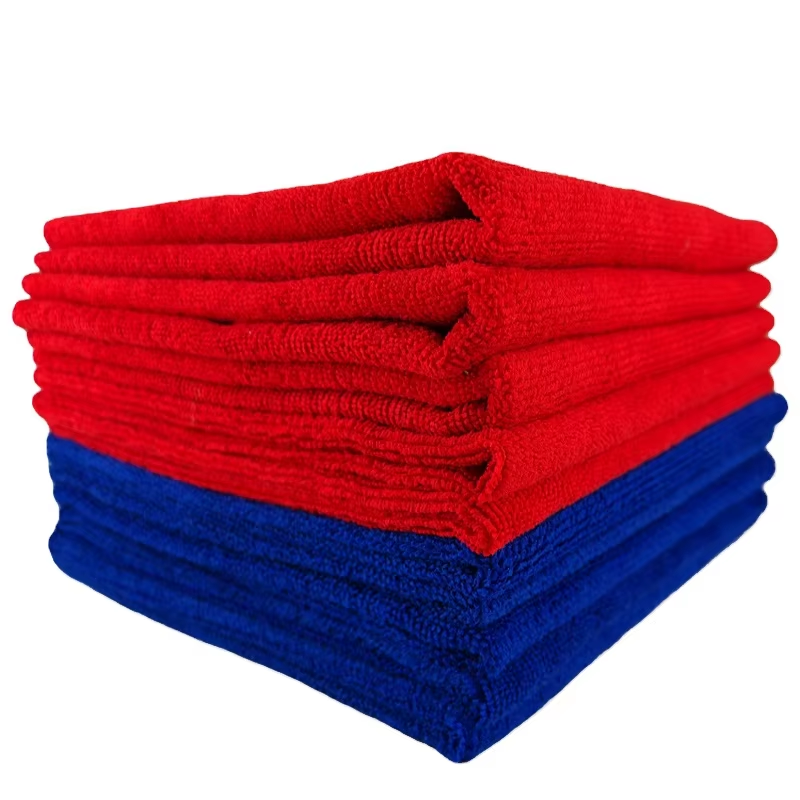
Waffle Towel Defined: Structure, Origin, and Automotive-Specific Construction
The waffle weave: A grid-based microfiber architecture engineered for capillary action
What makes waffle towels special is their unique 3D grid pattern woven right into quality microfiber material. This creates tiny channels throughout the fabric that work with something called capillary action. Basically, this means the towel pulls liquid into those small spaces when it touches wet surfaces like car paint, windows, or bodywork. Traditional flat or looped fabrics just spread moisture around, but these little pockets in waffle towels actually trap the water inside instead. The whole concept came about because regular cloths weren't cutting it for fast drying tasks. As microfiber technology improved over time, so did the waffle design. Those split fibers in the towel are incredibly fine, thinner than silk threads, which helps them grab water better without scratching delicate surfaces on vehicles during cleaning.
Why 350–400 GSM delivers the ideal balance of absorbency, durability, and control for car drying
For automotive use, the optimal waffle towel weighs between 350–400 GSM (grams per square meter). This range represents a precision-engineered compromise:
- Absorbency: Lighter than bath towels (600+ GSM) yet three times more water-retentive than standard terry cloth
- Durability: Withstands repeated wringing without distortion or fiber breakdown
- Tactile control: Remains pliable enough to conform seamlessly to mirrors, door handles, and compound curves
Towels below 350 GSM lack sufficient mass for consistent moisture capture; those above 400 GSM stiffen, reducing maneuverability and slowing evaporation. Independent lab testing confirms that 380 GSM achieves peak moisture capture per square inch while preserving drape and responsiveness—critical for eliminating drag, residue, and water spots on curved panels.
Top 3 Performance Advantages of a Waffle Towel for Car Drying
Rapid water extraction via capillary channels—no dragging or pooling
The grid-like structure forms continuous capillary channels that draw water away instantly—not by wiping, but by absorption. This eliminates surface dragging and pooling, cutting drying time by up to 50% versus conventional towels and significantly lowering water-spot risk.
Streak-free results on glass, paint, and ceramic coatings
The low-lint, tightly woven surface glides uniformly over sensitive substrates. Even pressure distribution prevents localized streaking or smearing—delivering optical clarity on glass, flawless sheen on painted surfaces, and uncompromised integrity on ceramic coatings.
Lint-free, quick-drying, and scratch-resistant surface safety
Constructed from high-grade, split microfiber, waffle towels resist shedding and dry rapidly between uses. Their dense yet soft texture provides mechanical protection against micro-scratches—even on freshly polished or coated surfaces—ensuring long-term finish safety.
Waffle Towel vs. Alternatives: Why It Outperforms Plush, Twist-Pile, and Chamois
Professional detailers prioritize tools that deliver speed, surface safety, and repeatability. While plush microfiber, twist-pile, and natural chamois each serve specific roles, the waffle towel’s engineered geometry excels across all core drying metrics.
Super thick plush towels with over 1000 GSM definitely feel great against skin but they hold onto way too much water. This means longer drying times and those annoying water spots showing up on everything. Twist pile options soak things up fast enough, no doubt about that. But give them a few good wrings and watch out for all the lint coming loose as the fibers start breaking down from all that stress. Then there's natural chamois which grabs water like nobody's business at first. The problem? They don't last long before turning rough and scratchy once they get dirty or worn out. Anyone who cares about protecting car finishes knows this can actually damage clear coats if not handled properly.
Waffle weave works differently because it pulls liquid through capillaries rather than dragging across surfaces, so there are no streaks left behind on glass or painted surfaces. When squeezed out, these towels let go of water much better than soft plush alternatives that tend to soak up almost triple their own weight. This means drying can happen without constant interruptions. Made from durable synthetic materials too, good quality waffle towels stay effective at cleaning without scratching even after around 40 wash cycles. They last way longer than regular chamois cloths actually, about three times as long according to professionals working in car detailing shops daily. For businesses dealing with multiple vehicles throughout the day, this translates into quicker service times, pristine finishes every time, and significantly lower expenses when replacing old towels.
Pro Tips for Maximizing Your Waffle Towel’s Lifespan and Drying Efficiency
Pre-use prep, folding technique, and pressure control for optimal coverage
Before using new waffle towels for the first time, give them a good rinse to wash away any sizing chemicals left from manufacturing. This helps get those fibers ready to soak up all the water they can handle. When folding, try quartering the towel to make several layers. This creates better contact across the surface area and stops those annoying edges from dragging around when drying surfaces. The trick is applying gentle pressure throughout. Let the towel do the work through its natural absorption properties instead of rubbing hard which just pushes water around. Most car detailers (over 8 out of 10) notice their water spreads more evenly and dries things off about 30% faster compared to just tossing the towel anywhere without proper folding techniques.
Washing, drying, and storage best practices to preserve the waffle structure
Wash these items alone in warm water below 40 degrees Celsius or 104 Fahrenheit. Use a special detergent for microfibers only please no fabric softeners as they coat the fibers and stop them from working properly. For drying, either put them in the dryer on low heat setting or just let them air dry naturally. Be careful with hot temperatures though since they can actually break down the polyester material and mess up the whole structure of the fabric. When storing, make sure everything is completely dry first then lay them out flat or roll them up loosely inside containers that allow air circulation. This helps keep mold away over time.
Key maintenance protocol:
- Wash within 24 hours of use to avoid embedded contaminants
- Never iron, bleach, or use chlorine-based cleaners
- Rotate among multiple towels to distribute wear evenly
This disciplined care preserves the precise waffle geometry essential for consistent, streak-free drying—extending functional life by 2–3 years while maintaining over 95% of original water-locking capacity.
FAQ
What makes a waffle towel different from other towels?
A waffle towel is made from microfiber with a unique 3D grid pattern that uses capillary action to absorb water, unlike regular flat or looped fabrics that merely spread moisture.
Why is the GSM important for waffle towels used in car detailing?
The GSM (grams per square meter) indicates the towel's weight and balance between absorbency and maneuverability. A waffle towel within the 350–400 GSM range is ideal for car drying, as it ensures optimal moisture capture and control.
How can I extend the lifespan of my waffle towel?
Wash the towels within 24 hours of use and avoid fabric softeners. Dry them on low heat or air dry, and store them dry in containers that allow air circulation. Rotate them for even wear.