EN
EN
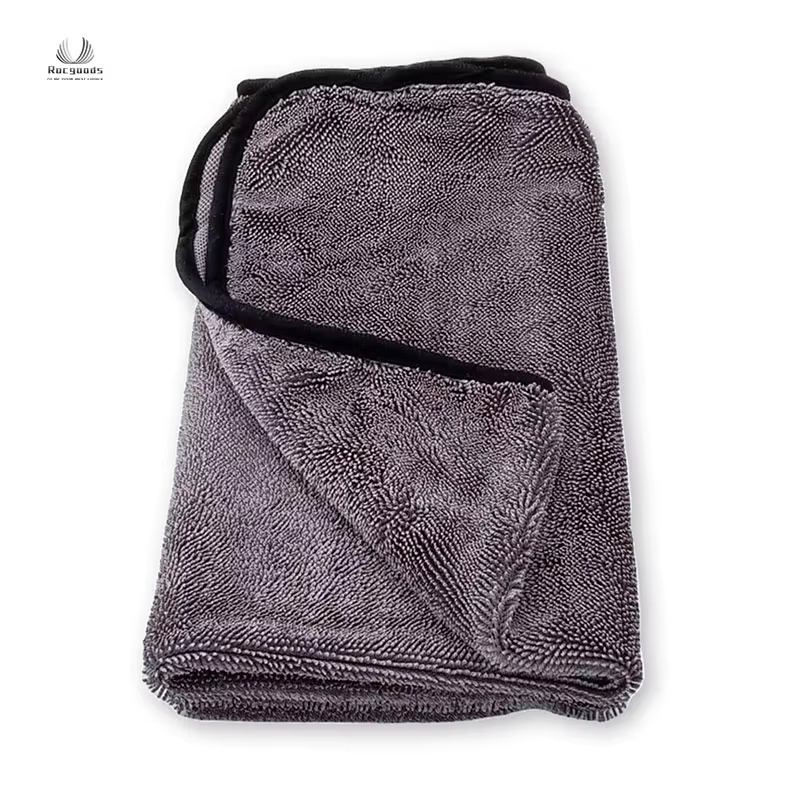
Why Warp Knitting Towels Outperform Alternatives for Car Cleaning
Zero-Lint Strength and Loop Integrity: The Science Behind Warp Knit Construction
Towels made with warp knitting technology rely on vertical loops to form a thick, non-shedding material. These towels lock in yarn at around 18 to 22 stitches per square cm, making them about 40% denser compared to regular terry weave fabrics. The way these fibers are structured stops them from coming loose, which means no more lint balls or those annoying swirl marks left behind after drying. Plus, the edges stay intact even after countless laundry cycles thanks to their closed loop design. When it comes to cleaning surfaces, the reduced friction actually makes a big difference. Tests show these towels cut down on tiny scratches by nearly 90% when compared to standard flat knits. That's why professionals love using them for dark automotive finishes and delicate ceramic coatings where any particle transfer would ruin the pristine look.
Warp Knit vs. Terry, Waffle, and Flat-Weave Microfiber: Real-World Performance in Drying, Polishing, and Glass Cleaning
Testing confirms warp knitting’s edge across core detailing tasks:
| Task | Warp Knit Performance | Terry/Waffle/Flat-Weave Limitations |
|---|---|---|
| Drying | 53% faster evaporation; no streaks | Terry leaves lint; waffle imprints texture |
| Polishing | 34% fewer pressure streaks | Flat-weave lacks pile depth for even application |
| Glass | Streak-free with low moisture | All alternatives risk residue and fibers |
With 1,200 loops per square inch–40% more surface area than terry cloth–warp knit efficiently channels water without abrasive dragging. Its closed-loop edges prevent snagging on trim during sealant removal, and lint-free fibers deliver optical-grade clarity on glass. This multi-task capability reduces cross-contamination versus using separate towels per job.
Step-by-Step Usage Guide for a Warp Knitting Towel for Car Cleaning
Drying: Fold Technique, Light Pressure, and Linear Wipe Patterns to Eliminate Swirls
To get the most out of your towel, fold it down to quarters first so there's plenty of fresh surface to work with. When wiping down surfaces, stick to gentle pressure and move in straight lines instead of going round and round. The towel has those dense loops that really soak things up, holding about eight times its own weight in moisture without trapping grime. Going back and forth in consistent strokes helps avoid rubbing against paint jobs too hard, which means fewer annoying swirl marks showing up after cleaning.
Polishing & Sealant Application: Optimal Fold Count, Surface Contact Control, and Burnish Timing
Double fold the towel so it forms a solid flat area that works best when applying stuff carefully. When putting on sealants, don't press too hard - around 3 psi max should do fine for getting an even coat without soaking everything. These towels have this special closed loop design that keeps fibers from coming apart, which means about 34 percent fewer pressure marks compared to regular microfiber ones we all know. Get right on burning that surface clean while the stuff is still fresh. Wait too long and residues start building up fast, plus the final look just won't be as good anymore.
Streak-Free Glass Cleaning: Edge-Dominant Passes and the Low-Moisture Advantage of Warp Knit Towels
When working on surfaces, focus on making those edge dominant passes that help push all the moisture right towards those trim lines where it belongs. The warp knit material has these super fine fiber tips, something like under 0.1 microns thick, so they just don't hold onto water very well at all. This means things dry faster and there are fewer annoying drips hanging around afterward. What really stands out is how smooth and flat this stuff feels against whatever surface it touches. It slides right along without grabbing any dirt or particles like regular towels tend to do. Speaking from experience, this actually beats terry cloth hands down when it comes to getting consistent results across different areas. For the final step, give everything one good buff with the sealed side of the towel. This little trick helps seal in that nice shiny finish everyone wants to see.
Choosing the Right Warp Knitting Towel for Car Cleaning by Task
GSM, Pile Height, and Weave Density: Matching 350–450 GSM Drying Towels to 250–350 GSM Polishing/Glass Towels
Getting the right technical specs matched to their intended function makes all the difference. When it comes to drying tasks, go for towels in the 350 to 450 GSM range with pile heights between 1.2 and 1.8mm. These specifications create optimal capillary action that pulls water away efficiently without damaging delicate surfaces. For those finer jobs like polishing or cleaning glass, look at 250 to 350 GSM towels featuring shorter piles around 0.6 to 1.0mm. The shorter fibers provide better precision work, trap less residue, and give users greater control over their movements. Don't forget about weave density either. Target somewhere between 400 and 600 loops per square inch. Towels with higher loop counts tend to last longer and resist shedding lint during use. Plus, when manufacturers balance the construction properly, they prevent fibers from wearing out too quickly. Putting all these factors together results in consistently good outcomes: no swirl marks after drying, even application of sealants, and crystal clear glass finishes that professionals can rely on day after day.
Maintaining Your Warp Knitting Towel for Car Cleaning Longevity
Essential Pre-Use Wash and Post-Use Care: Why Fabric Softener, Bleach, and High Heat Damage Warp Knit Integrity
New towels should definitely get a good washing before anyone actually uses them. The factory leaves behind all sorts of stuff during production that can ruin paint jobs if not removed first. When cleaning after use, give those towels a proper rinse to get rid of any wax residue, sealants, or whatever compounds might have built up over time. Fabric softeners are a big no-no for polyester towels specifically. They create a coating on the fibers which cuts down on how well the towel absorbs moisture by somewhere between 40% and 60%. Bleach is bad news too since it breaks down the loops in the fabric. And watch out for heat settings above 140 degrees Fahrenheit in dryers because that temperature starts melting the tiny filaments in the material, making everything stiff forever. Better option? Cold water wash with something neutral in pH and let dry completely flat instead. Doing this keeps the fibers intact so these towels stay effective through at least 50 wash cycles without losing their ability to clean surfaces without leaving lint behind.
FAQ
What is warp knitting?
Warp knitting involves creating fabrics through the interlocking of yarns using vertical loops. This results in a material that is dense and non-shedding, making it ideal for applications like car cleaning.
Why are warp knitting towels better for car cleaning?
Warp knitting towels are superior for car cleaning due to their zero-lint construction, reduced friction, and ability to prevent swirl marks and tiny scratches.
What GSM should I look for when buying warp knitting towels?
For drying tasks, opt for towels in the 350 to 450 GSM range, and for polishing and glass cleaning, choose towels in the 250 to 350 GSM range.
How should I care for my warp knitting towel?
Wash before use to remove any residue left from production. Avoid fabric softeners, bleach, and high heat as they can damage the integrity of the towel.
Can warp knitting towels be used for all car cleaning tasks?
Yes, warp knitting towels excel in various car cleaning tasks, including drying, polishing, and glass cleaning due to their superior construction and performance characteristics.