EN
EN

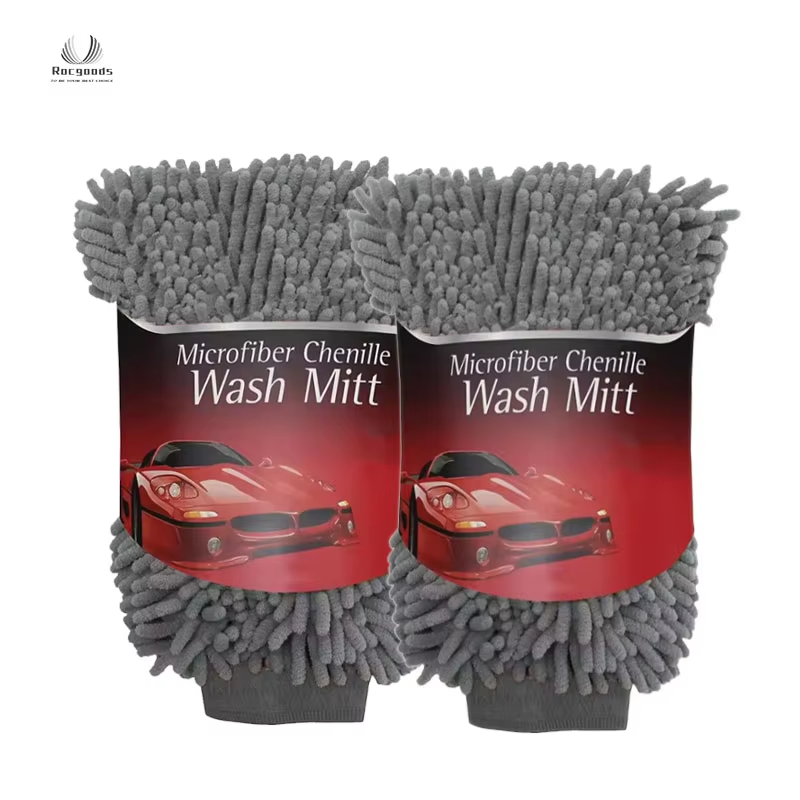
Paint Protection: Why Microfiber Car Mitts Reduce Swirl Marks
How ultra-soft split-microfiber structure lifts and traps contaminants without abrading clear coat
Car cleaning mitts made from split microfiber have these tiny, super fine fibers that work kind of like a mini hook and loop system at the microscopic level. What happens is these fibers actually lift dirt off the car's paint through something called capillary action, then trap it inside the fibers so it doesn't scratch the surface. Regular brushes or other tools tend to push dirt into the paint, but these soft microfiber mitts bend around the dirt particles instead. They're usually around 350 to 450 GSM in weight, which makes them really gentle on surfaces. The special way the fibers are arranged helps keep contact with all the dirt during washing, so there's no need for that grinding back and forth motion that leaves those annoying swirl marks on cars after washing.
Sponge limitations: Open-cell pores redistribute grit across paint, increasing marring risk
Regular household sponges just aren't cut out for cleaning car paint safely. The way they're made with those little holes lets them soak up dirt, but they can't really keep it contained inside. When someone squeezes or drags these sponges across surfaces, all that trapped grit comes right back out again. What happens next? That loose grit basically becomes tiny sandpaper, particularly when people do those circular motions while washing. This creates those annoying scratch patterns that look like webs on vehicle finishes. According to research from AutoDetailing Journal last year, most sponges let go of about 8 out of every 10 bits of dirt when rinsed off. This means all those abrasive particles get pushed back onto freshly cleaned paint instead of staying where they belong. Meanwhile, microfiber mitts hold onto roughly four times as much dirt in the same area according to similar tests.
Cleaning Efficiency: Dirt-Trapping Performance of Microfiber Car Mitts
Capillary action and electrostatic attraction in premium microfiber car mitts vs. passive absorption in sponges
What makes premium microfiber car mitts so effective isn't just about absorbing dirt, it's about actively grabbing and holding onto contaminants. When used correctly, the tiny split fibers work like capillaries drawing particles in through surface tension forces. At the same time, there's an electrostatic charge that attracts dust and grit right into the fabric itself. This dual action means most dirt stays trapped inside the mitt instead of bouncing back out. Regular sponges don't do this though. They basically soak up stuff temporarily until pressure or water washes everything right back onto the surface. That's why people often end up scratching their paint when using ordinary tools. With good quality microfiber, those abrasive particles stay locked away, protecting the finish from damage during washing sessions.
Empirical evidence: Microfiber car mitts retain 4.2– more embedded grit per cm² (AutoDetailing Journal, 2024)
Quantitative testing confirms microfiber’s structural superiority. AutoDetailing Journal’s 2024 study measured embedded particle retention after standardized wash cycles using contamination levels equivalent to urban road film. Results showed:
| Cleaning Tool | Retained Grit per cm² | Relative Performance |
|---|---|---|
| Microfiber car mitt | 4,200 particles | 4.2– more effective |
| Standard car sponge | 1,000 particles | Baseline |
This 420% improvement stems from microfilaments’ ability to permanently entrap abrasive particles—preventing redeposition during mechanical washing motions and preserving factory finish integrity.
Practical Use Cases: When to Choose a Microfiber Car Mitt Over a Sponge
Selecting the right washing tool is essential for preventing swirl marks and maximizing efficiency:
- Delicate Paint Finishes: Vehicles with soft clear coats—especially black and dark-colored cars—are highly susceptible to marring. Microfiber car mitts lift dirt away cleanly; sponges grind particles into vulnerable surfaces.
- Heavy Soil Buildup: For caked-on mud, pollen, or road salt, the mitt’s multi-directional pile captures significantly more grime per cm² than sponges, preventing sludge from being reapplied to panels mid-wash.
- Larger Vehicles: On SUVs or trucks, the mitt’s ergonomic fit reduces hand fatigue and minimizes accidental drops—a critical advantage, since dropped sponges pick up ground debris that causes deep scratches upon reuse.
- Water Conservation: Microfiber mitts retain 50% more soap solution than standard sponges, reducing bucket-refill frequency during water-restricted washes without sacrificing cleaning power.
Sponges remain acceptable only for lightly soiled non-paint surfaces—like windows or glass—where scratch risk is negligible. For any painted surface, especially factory finishes, a microfiber car mitt is the only recommended choice.
Selecting the Right Microfiber Car Mitt: Density, Pile Length, and Care Guidelines
Optimal specs for safe, effective use: 350–450 gsm density, 28–32 mm pile, and proper washing protocols
When it comes to picking out a good microfiber car mitt, there are really three main things to look at. The first thing matters most is the density, ideally somewhere around 350 to 450 grams per square meter. This sweet spot gives just enough padding to protect those precious paint jobs without missing any dirt or grime hiding in the nooks and crannies. Next up is the pile length, which should be about 28 to 32 millimeters long. That's long enough to get proper coverage across flat surfaces but still flexible so it can wrap nicely around door handles, bumpers, and other curved areas where regular cloths might struggle.
Proper maintenance is non-negotiable for sustained performance:
- Wash mitts after every use with mild detergent
- Avoid fabric softeners and bleach, which degrade fiber integrity and eliminate electrostatic charge
- Always air-dry completely to prevent bacterial growth and fiber clumping
Neglecting these steps reduces dirt-holding capacity by up to 70% and accelerates fiber breakdown—compromising both protection and cleaning efficacy over time. Consistent care preserves the mitt’s electrostatic properties and ensures trapped contaminants stay trapped, not redeposited.
FAQ Section
What are the benefits of using microfiber car mitts over sponges?
Microfiber car mitts are designed with split microfibers that trap dirt inside, reducing the risk of scratching car paint. Sponges tend to push dirt across the surface, which can create swirl marks.
How often should I replace my microfiber car mitt?
With proper care, a microfiber car mitt can last several months. However, if you notice it no longer effectively traps dirt or appears worn, it's time to replace it.
Can I use microfiber mitts for other car surfaces?
Absolutely. While they're optimized for paintwork, microfiber mitts can safely clean other surfaces like glass and plastic without causing scratches.
What's the best way to wash a microfiber car mitt?
Use mild detergent, avoid using fabric softeners or bleach, and always air-dry to maintain its effectiveness and integrity.