EN
EN

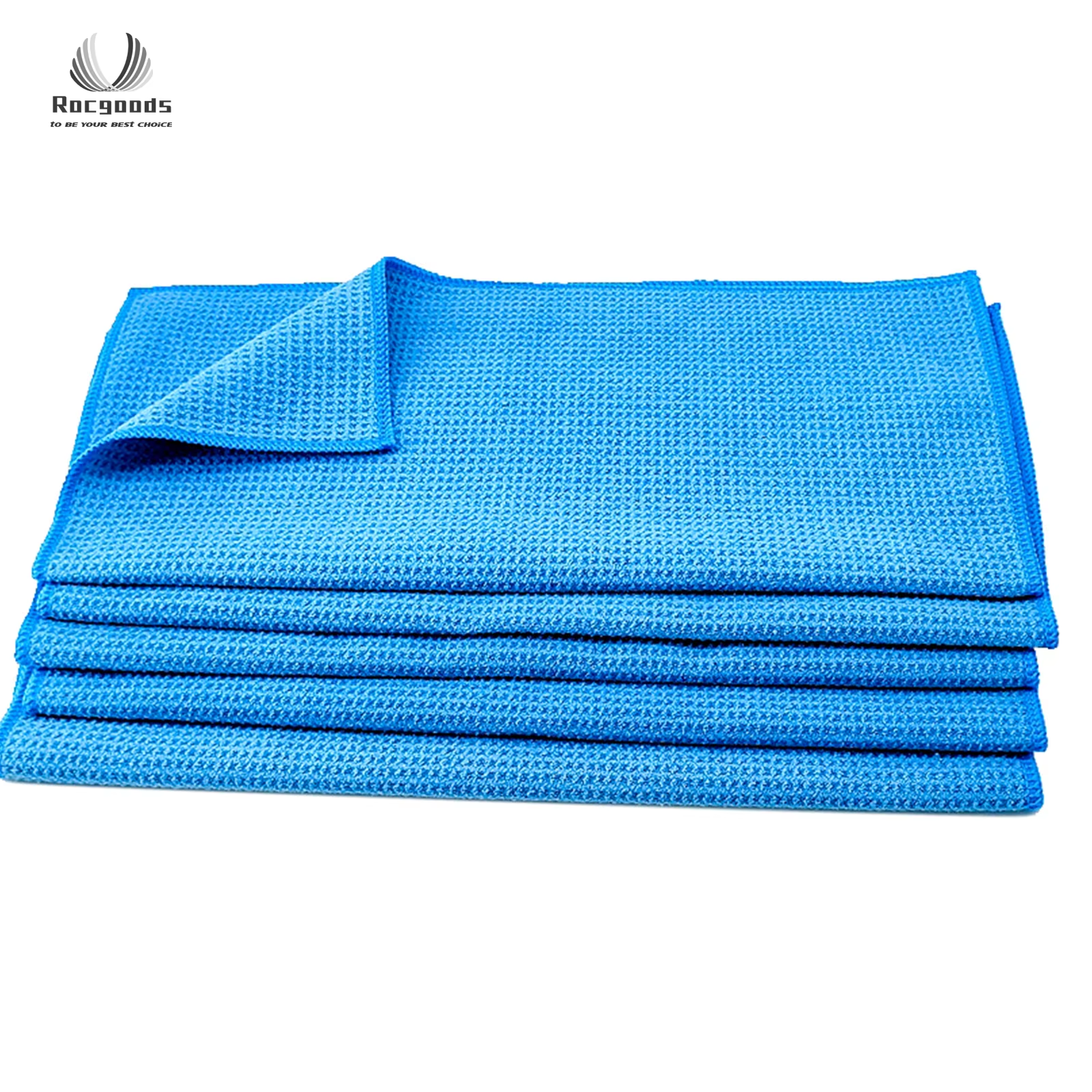
How Waffle Towel Texture Enables Superior Absorbency and Rapid Drying
Capillary Action and Raised Grid Structure: The Science of Water Capture and Airflow
Waffle towels have this special grid pattern on them that creates tiny little pockets at the microscopic level. These pockets work kind of like sponges, pulling water away from whatever surface they're touching thanks to how the fibers grab onto liquid molecules. When water gets into those recessed areas, the fibers actually stick to the water and drag it up through the channels. The whole thing is built in three dimensions too, which means air can circulate around all sides. This helps things dry faster, maybe around 40% quicker than regular flat fabrics when humidity levels are similar. What makes these towels really effective is their ability to soak up about 30% more liquid in each square inch compared to standard flat textiles, yet they still stay light and easy to handle. Plus, because of the way they're constructed with all those open spaces, water doesn't get stuck sitting there against surfaces where it would normally leave behind annoying water spots.
Waffle Towel vs. Flat Weave Microfiber: Real-World Differences in Wet Weight, Evaporation Rate, and Streak Prevention
Benchmarked against flat-weave microfiber, waffle towels deliver measurable advantages in speed, control, and finish quality:
| Performance Metric | Waffle Towel | Flat Weave Microfiber |
|---|---|---|
| Wet Weight per ft² | 1.2 oz (34g) after saturation | 2.1 oz (60g) after saturation |
| 90% Evaporation Time | 22 minutes (avg. 65°F/50% humidity) | 38 minutes (same conditions) |
| Streak Occurrence Rate | 4% during glass/paint testing | 17% during identical tests |
Waffle textured cloths have less surface area touching the glass, which means there's not as much friction when wiping across surfaces. This helps prevent those tiny tears in the film that lead to annoying streaks. Plus, these cloths don't hold onto water for long periods, so they can be used again pretty quickly after each wipe. That matters a lot when someone needs to dry off big trucks or buses without stopping work every few minutes. Flat microfiber does soak up more water overall though. The problem comes when trying to get all that water out again. It takes longer to dry properly, leaves behind more moisture, and creates more chances for streaks to form. Workflow just doesn't move as smoothly with them compared to waffle textures.
The Ideal Waffle Towel Spec: Why 350–400 GSM Delivers Peak Quick-Dry and Absorbency Balance
GSM Explained: How Grams per Square Meter Affect Water Extraction Efficiency and Drying Speed
The GSM rating, which stands for Grams per Square Meter, basically tells us how dense a fabric is, and this has a big impact on how well a waffle towel works with water. When the GSM number goes up, there are simply more fibers packed into each square inch of fabric, which means better absorption because those tiny fibers pull in moisture more effectively. However, if the fabric gets too dense, it actually starts working against what makes waffle towels special in the first place – the ability of air to move freely through the woven pattern. Tests from manufacturers show that most good quality towels fall somewhere between 350 and 400 GSM. These can soak up around six to seven times their own weight in water and will typically be completely dry within ten minutes or so when left out in normal room conditions. This particular range represents kind of a Goldilocks situation for the weave structure: just heavy enough to grab water quickly but still open enough to let it escape during drying. Anyone who regularly cleans cars knows how important this balance really is, since nobody wants to deal with streaks or spend hours waiting for towels to dry before they can be used again.
| GSM Range | Absorbency Level | Drying Speed | Best for Car Cleaning Tasks |
|---|---|---|---|
| 300–350 | Moderate | Very Fast (<5 min) | Light wipe-downs, glass surfaces |
| 350–400 | High | Fast (5–10 min) | Optimal for most detailing; balances extraction and evaporation |
| 400+ | Very High | Slow (>10 min) | Not recommended; high risk of streaks and slow turnaround |
Beyond GSM: Why Higher Density Doesn’t Equal Better Performance — The Diminishing Returns Threshold for Waffle Towel
Once we get past around 400 GSM, there really isn't much improvement in how much liquid these towels can soak up. They might hold about 5 to 10 percent extra water, but what happens is the time it takes for them to dry goes way up, sometimes doubling in actual practice. The reason behind this drop off point? When the fabric gets too dense, those tiny air pockets that help moisture escape get squeezed shut. Water just sits there trapped inside the fibers. Car detailers know this all too well since longer drying times mean more chances for annoying water spots to form, minerals left behind, and that frustrating loss of shine on both paint jobs and windows. Most professionals stick with waffle weave towels between 350 and 400 GSM because they strike the right balance. These towels dry fast enough, still pick up plenty of water, maintain their effectiveness over time, and don't come with unnecessary weight or price tags.
Integrating Waffle Towel into a Professional Car Cleaning Workflow
Step-by-Step Use Case: Pre-Rinse, Contactless Drying, and Final Polish — Where Waffle Towel Adds Time and Quality Gains
A waffle towel elevates professional detailing workflows not just as a tool—but as a precision instrument. Its integration across three stages improves both speed and finish quality:
- Pre-Rinse: Begin with a high-pressure rinse to lift and flush away loose contaminants. This step avoids premature towel contact and sets the stage for efficient water removal.
- Contactless Drying: Glide a damp (not soaking) waffle towel lightly over wet panels. Its grid structure lifts and contains moisture instantly—cutting drying time by 25–30% versus standard towels while eliminating streaks and scratches.
- Final Polish: Switch to a dry waffle towel and buff using gentle circular motions. Its lint-resistant fibers enhance gloss and clarity without marring delicate surfaces.
This streamlined sequence reduces per-vehicle service time by 2–3 minutes and significantly lowers rework rates—making it a high-ROI upgrade for detailers prioritizing quality, consistency, and throughput.
Choosing a Premium Waffle Towel: Fiber Blend, Stitching, and Lint Resistance for Long-Term Performance
When looking at premium waffle towels, there are actually three main factors to consider beyond just grams per square meter or what's listed on the price tag. Let's start with the fibers used. The best ones tend to have around 70 to 80 percent polyester mixed with about 20 to 30 percent polyamide. This combination works really well because polyester dries fast and keeps its shape, while the polyamide gives extra strength so the towel lasts longer. Tests show these premium blends can last up to four times longer than cheaper options when put through stress tests. Next up, how the edges are made makes a big difference too. Towels with double stitching or laser sealed hems won't come apart after being wrung out repeatedly, which means they maintain their special pattern that traps water effectively. And don't forget about lint resistance either. This isn't something to overlook but rather essential for good quality towels. Manufacturers use special techniques to control fiber release, so there's almost no lint left behind even when wiping delicate surfaces such as painted walls or glass displays. All these elements combined turn what could be a throwaway product into something worth investing in. These towels need replacing much less often, protect whatever surface they're used on, and keep things looking clean and spotless throughout their lifespan.
FAQ Section
1. What makes waffle towels so absorbent?
Waffle towels have a special grid pattern that creates microscopic pockets, enabling them to absorb water efficiently by grabbing onto liquid molecules and pulling them up through channels.
2. Which GSM range is ideal for waffle towels?
The ideal GSM range for waffle towels is between 350 and 400, as it provides a balance of absorbency and fast drying without compromising airflow.
3. How does waffle towel texture prevent streaks?
Waffle towels have less surface area touching the glass, reducing friction and preventing tiny tears in the film that lead to streaks. They dry quickly, minimizing streak occurrence.
4. What's the difference between waffle towels and flat weave microfiber?
Waffle towels are lighter, dry faster, and have a lower streak rate compared to flat weave microfiber, which holds more water and takes longer to dry.
Table of Contents
- How Waffle Towel Texture Enables Superior Absorbency and Rapid Drying
- The Ideal Waffle Towel Spec: Why 350–400 GSM Delivers Peak Quick-Dry and Absorbency Balance
- Integrating Waffle Towel into a Professional Car Cleaning Workflow
- Choosing a Premium Waffle Towel: Fiber Blend, Stitching, and Lint Resistance for Long-Term Performance
- FAQ Section