EN
EN
Why Custom-Sized PVA Towels Boost Efficiency in Professional Car Washes
The Problem with Standard PVA Towels in High-Volume Operations
The standard PVA towels we see in most car washes actually slow things down instead of speeding them up. These towels come in only one size, which means techs spend way too much time folding them, moving them around, and switching between different ones for various parts of vehicles. Industry studies have found these extra steps take anywhere from 15 to 30 seconds per car washed. When looking at busy shops that handle over 50 cars a day, those small delays really add up to hours wasted every week. Big towels tend to drag along the ground when working on lower panels, collecting dirt that can leave nasty swirl marks on paint jobs. Smaller towels aren't any better since they need constant replacement while drying off roofs or hoods. And let's not forget about the strain on workers' wrists from constantly adjusting poorly fitting towels throughout their shifts. This kind of physical stress is one of the main reasons why so many experienced technicians just walk away from the business altogether.
How Optimized Dimensions Improve Drying Speed and Technician Ergonomics
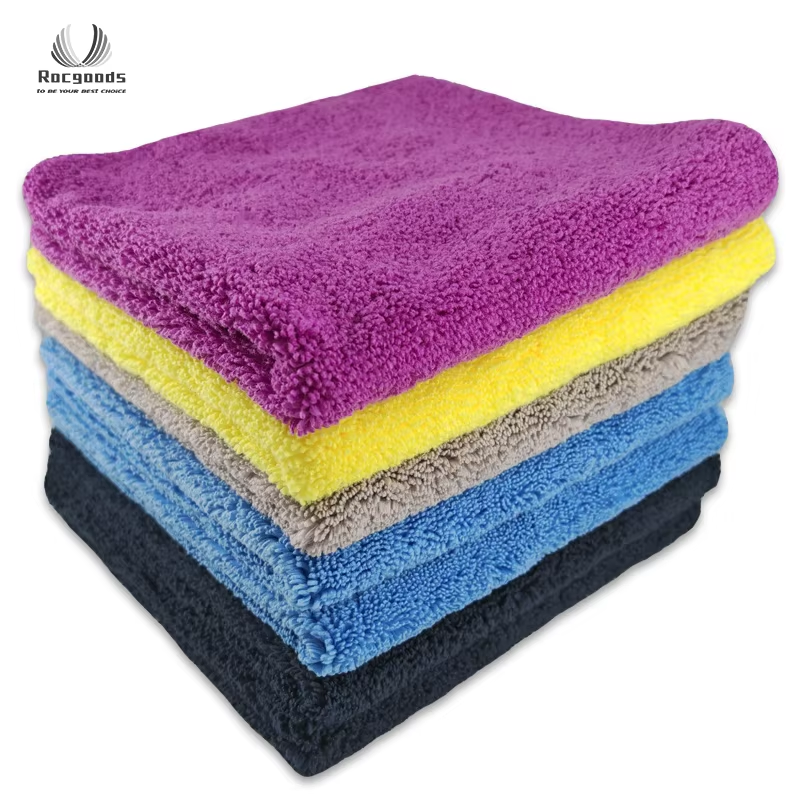
When working on cars, custom sized PVA towels really cut down on unnecessary movements because they fit right into those typical spots on vehicles. Sizes like 6 by 8 inches work great for small areas around trims while bigger ones measuring about 24 by 36 inches cover most hood surfaces in one go. This means mechanics can dry off around 90 percent of what needs attention in just one pass instead of multiple times, which actually saves about 22% of the time spent drying compared to regular towels. Another thing worth mentioning is how well these towels fit in hands. Technicians find themselves applying roughly 40% less pressure on their forearms since the towels match hand sizes better. Less strain leads to fewer mistakes from tired arms and makes sure pressure stays even across all panel surfaces. Shops doing lots of work throughout the day see real gains too. With all these advantages together, some shops report getting through around 18 extra cars during an 8 hour shift without messing up the nice finish that customers expect for display purposes.
Matching PVA Towel Size and Thickness to Vehicle Surfaces & Workflows
Absorbency and Recovery: Why 12mm vs. 18mm Thickness Matters for Durability
The thickness of PVA towels really affects how much water they hold, how well they squeeze out, and how long they last overall. Tests have shown that those 18mm thick towels soak up around 40% more liquid in one go compared to their 12mm counterparts. That makes them great for big flat areas such as car windshields or the tops of SUVs where lots of water needs removing at once. But there's a catch though. The thicker pile holds onto moisture for longer periods, so it takes about 30% extra time before these towels are ready again after cleaning each vehicle. For shops running at full speed all day, the thinner 12mm options actually work better most of the time. They still pick up enough dirt from doors, side panels, and mirrors while letting mechanics get back to work faster since they dry quicker between uses. Shops report saving somewhere between 15 to 20 minutes every shift just from using these lighter weight towels consistently throughout the day.
Strategic Sizing: Aligning PVA Towel Dimensions with Common Panel Widths
Matching towel dimensions to panel geometry eliminates repositioning and edge-dragging—key drivers of both time loss and micro-scratches. Recommended alignments include:
- 12"×12": Ideal for side mirrors, door handles, and tight trim gaps
- 16"×24": Covers standard car doors or trunk lids in a single pass
- 25"×36": Efficiently dries SUV hoods or truck beds without repositioning
Tapered cuts further improve conformity on curved surfaces like fenders. This strategic sizing reduces wringing frequency by 25% and cuts average vehicle drying time to under 90 seconds.
OEM Production Essentials: Ensuring Brand Integrity and Long-Term PVA Towel Performance
Edge Finishing Options: Laser-Cut Seams vs. Silicone-Coated Edges for Fraying Resistance
The durability of edges really matters when talking about how products perform over time. When we talk about laser cutting, what happens is that the heat from the laser actually melts those PVA fibers along the edge, creating these super smooth seams. According to tests done by Textile Standards Institute back in 2023, this process cuts down on fraying by almost 98% after going through 500 full industrial washing cycles. For situations where the product needs to wrap around tricky shapes such as mirrors or decorative trim pieces, silicone coated edges work better because they bend more easily. These silicone borders still hold up pretty well against fraying too, about 92% effectiveness according to testing. Cost wise there's quite a difference between options though. Laser cut edges will typically push prices up somewhere between 15% to 20%. But if someone goes with silicone coating instead, they only see an extra 5% to 10% added onto their bill. So for most practical applications where being able to fit into odd spaces matters more than having absolutely maximum lifespan, silicone coatings tend to be the smarter option.
Branding Methods: Embossed Logos vs. Heat-Transfer Printing on PVA Towels
Maintaining brand visibility through regular use is a big concern for many businesses. When it comes to logo permanence, embossing works by actually pressing down on those PVA fibers to create lasting recessed marks. These can stay visible even after thousands of washes without any fading or peeling issues at all. On the other hand, heat transfer printing sticks color pigments onto towels which allows for vibrant full color designs and smaller initial orders. But there's a catch - these tend to start breaking down around the 600 cycle mark. Franchise owners and large national brands that want their branding to stay consistent over time should seriously consider embossing since it maintains uniform appearance across different locations throughout the life of their equipment. Meanwhile, heat transfer still makes sense for temporary marketing efforts or test runs where having flexible designs and being able to scale production quickly matters most.
FAQs
Standard PVA towels often require excessive folding and manipulation, adding 15-30 seconds per car washed, which accumulates to significant time wasted in busy car wash operations.
Custom-sized PVA towels dramatically reduce unnecessary movements, fitting seamlessly into vehicle areas and cutting down drying time by up to 22%. This efficiency gains allow for handling more cars in less time.
The choice between 12mm and 18mm thickness depends on the drying speed required and area size. The 18mm towels absorb more water and are suitable for large flat areas. However, 12mm towels dry quicker and are practical for continuous use in busy car washes.
Edge finishing, like laser-cut seams or silicone-coated edges, affects durability and ease of use. Laser-cut seams reduce fraying significantly, whereas silicone coatings provide flexibility for irregular shapes.
Embossed logos ensure longevity through numerous washes, making them ideal for consistent branding, while heat-transfer printing offers vibrant designs suitable for temporary marketing.